

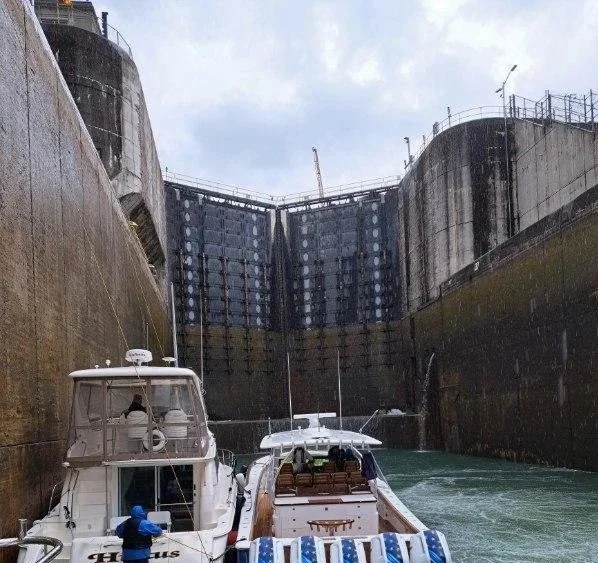
Welland Canal, Erie Canal & St. Lawrence Seaway Transits
Professional canal and seaway transits planned around lock schedules, bridge clearances, mast/air draft, and the practical realities of handling lines and fenders in tight concrete chambers. The focus is steady progress, clean communication, and a smooth handoff at the end of the run.
Our Approach
Clearance planning: air draft + mast steps
Lock execution: lines, fenders, procedures
Planning and Prep: knowledge of canals and locks
Scheduling: lock hours + traffic
Documentation: daily logs + receipts
Owner visibility: updates + ETA
Handoff notes: next steps list

What This Service Covers:
Clearance + Compliance
Air draft planning and bridge-by-bridge notes
Mast stepping/unstepping coordination (if required)
Required documents, radio practices, and procedures
Lock Work + Boat Handling
Fendering plan for concrete walls
Line plan: lead angles, chafe management, crew roles
Slow-speed control: prop walk, windage, currents within locks
Predictable Progress
Daily schedule built around lock/bridge operating hours
Updates after major milestones (locks, bridges, border steps)
End-of-run handoff summary and maintenance notes
How a Transit Actually Runs
Intake and Constraints:
Vessel details: rig type, sail inventory, reefing setup, engine condition
Constraints: draft, mast height, inlet limits, seasonal weather patterns
Run style: day hops vs. offshore legs based on route and conditions
Pre-Departure Checks:
Rig inspection: standing/running rigging condition, furler operation, reefing lines
Safety checks: jacklines, PFDs, harness points, MOB gear, lights
Systems check: engine, charging, autopilot, nav instruments, bilge
Underway Execution
Conservative sail plan and reefing early when needed
Watchstanding plan for longer legs (fatigue managed, clear roles)
Course and speed choices documented with reasons
Arrival + Handoff Notes
Docking plan tailored to wind/current and prop walk realities
Written handoff notes: rig findings, sail handling notes, system observations
Final expense log and receipts
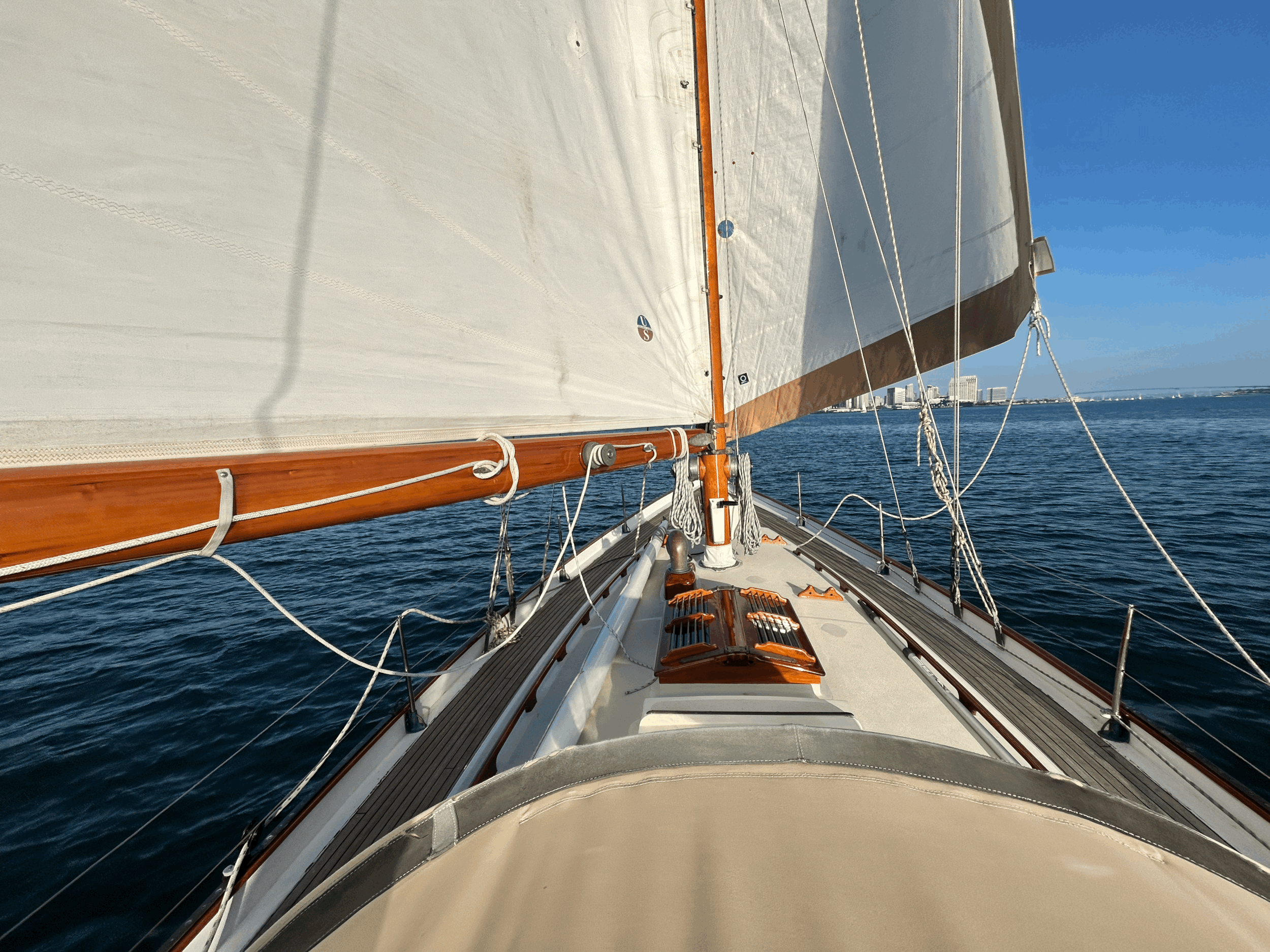
Route & Weather Planning
Planning Built Around Wind, Water, and Endurance
Factors We Plan Around
Weather windows: fronts, sea state, squall risk, visibility
Inlets and tides: current, bar conditions, timing and alternates
Sail handling reality: reefing points, headsail changes, night capability
Crew endurance: watch schedule, safe workload, rest for sharp watch keeping
Mechanical backup: engine when needed where needed for schedule and safety
What You Receive
PrimPrimary route + alternates based on shelter and bailouts
Go/no-go thresholds stated clearly (wind/sea/timing assumptions)
Likely sail plan ranges and reefing approach by condition band
Daily run expectations by daylight and inlet timing
Rig, Sails, and Deck Gear Inspection
Rig + Sails
Standing rigging visual inspection (terminals, turnbuckles, pins)
Running rigging: chafe points, clutch holding, winch function
Reefing: lines run clean, reef points usable under load
Headsail furler: smooth roll, fair lead, spare lashing plan
Operations
Jacklines, tethers, harness points
Navigation lights, steaming/deck lights
Anchor gear: primary + backup setup
Windlass function (if fitted) and manual contingency
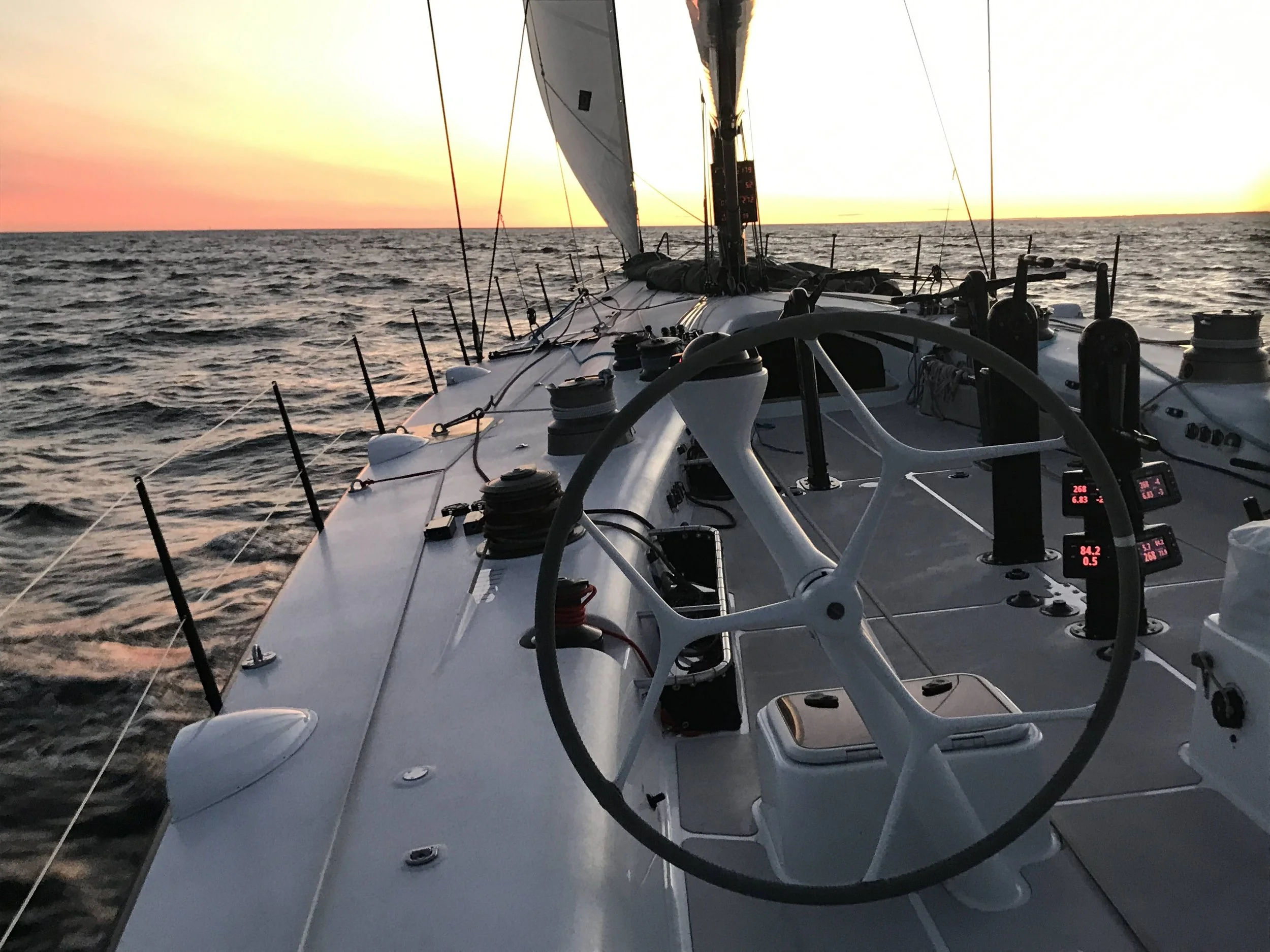
Daily Updates and Logs

Start/stop times, miles run, track summary
Sail plan used (main/genoa/reef level), average speed range
Conditions: wind direction/speed range, sea state, visibility
Notes on rig/sails: chafe, winch loads, furling behavior, reefing ease
Systems notes: engine hours, charging, autopilot performance
Offshore vs Coastal
Two different types of Sailboat delivery schedules explained:
Coastal / Day Hops
More marina stops and shorter legs
Higher schedule predictability around daylight and inlets
Good fit for complex coastal areas and frequent shelter options
Requires less crew resources
Offshore Legs
Fewer stops, cleaner navigation, steadier average speed
Requires more crew resources, watch rotation, and conservative weather window
Good fit when coastal inlets are risky or slow
Ready to get underway?
Let’s get started on planning your Sailboat Delivery. Review the details of our pricing, fill out the quote request form or reach out and contact us today!