

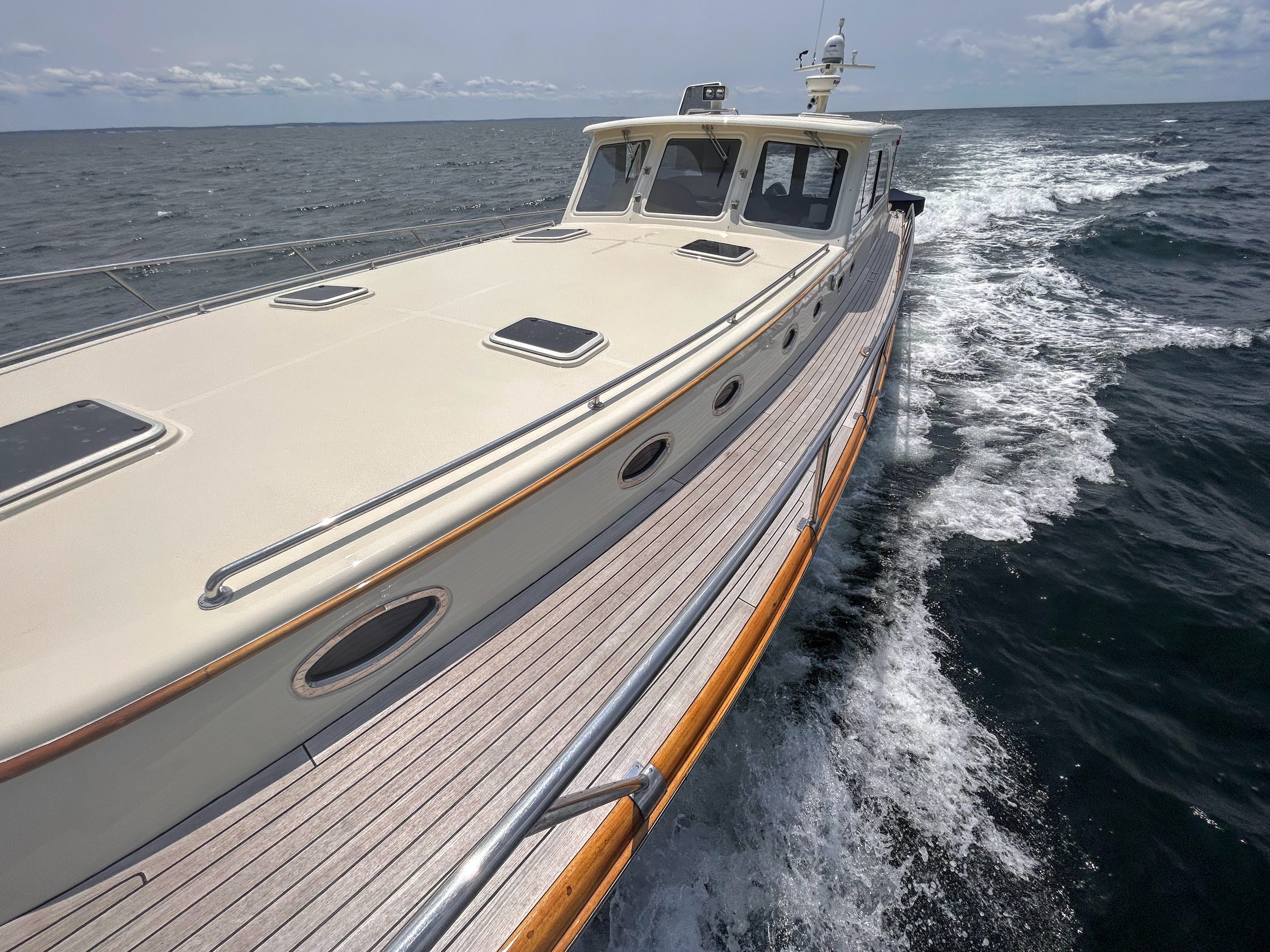
Seasonal Repositioning
Point-to-point seasonal moves planned around weather windows, service access, and the practical deadlines owners face each spring and fall. The focus is predictable routing, clear daily updates, and a clean handoff so the boat arrives ready for the next stretch of the season.
Our Approach
Timing: spring/fall windows + deadlines
Routing: weather + daylight + marinas
Systems: pre-departure checks + spares
Updates: daily logs + position tracking
Flex: alternates when forecasts shift
Handoff: written notes + next steps

What This Service Covers:
Planning for the Season
Route options based on timing and exposure
Conservative weather thresholds and alternates
Daily run plan based on daylight, traffic, and fuel/service access
Execution with Fewer Surprises
Pre-departure checks and readiness notes
Systems monitored and logged underway
Docking plans for unfamiliar marinas and tight fuel docks
Owner Visibility + Handoff
Position updates and ETAs tied to real constraints
Expense tracking with receipts
Final handoff notes: observed issues and maintenance path
How Seasonal Moves Actually Run
Intake and Deadlines
Start/end locations, target dates, storage/yard commitments
Boat specs: range, draft/air draft, cruising profile, known issues
Season context: early spring cold-water risk, fall fronts and shorter days
Route + Window Plan
Primary route and alternates by exposure level
Planned fuel stops and realistic daily legs
Go/no-go thresholds defined clearly (wind, sea state, inlet conditions)
Readiness and Prep
Pre-departure checks focused on what fails underway
Spare parts and consumables plan based on route access
Crew plan matched to boat size, complexity, and run length
Underway Execution
Daily run plan adjusted to forecasts and daylight
Logs: miles, engine hours, fuel, issues observed, decisions made
Photos where useful (findings, wear items, damage prevention)
Arrival + Turnover
Docking, shutdown checks, basic post-run inspection
Written handoff notes: what was observed and what to service next
Final receipts and expense summary
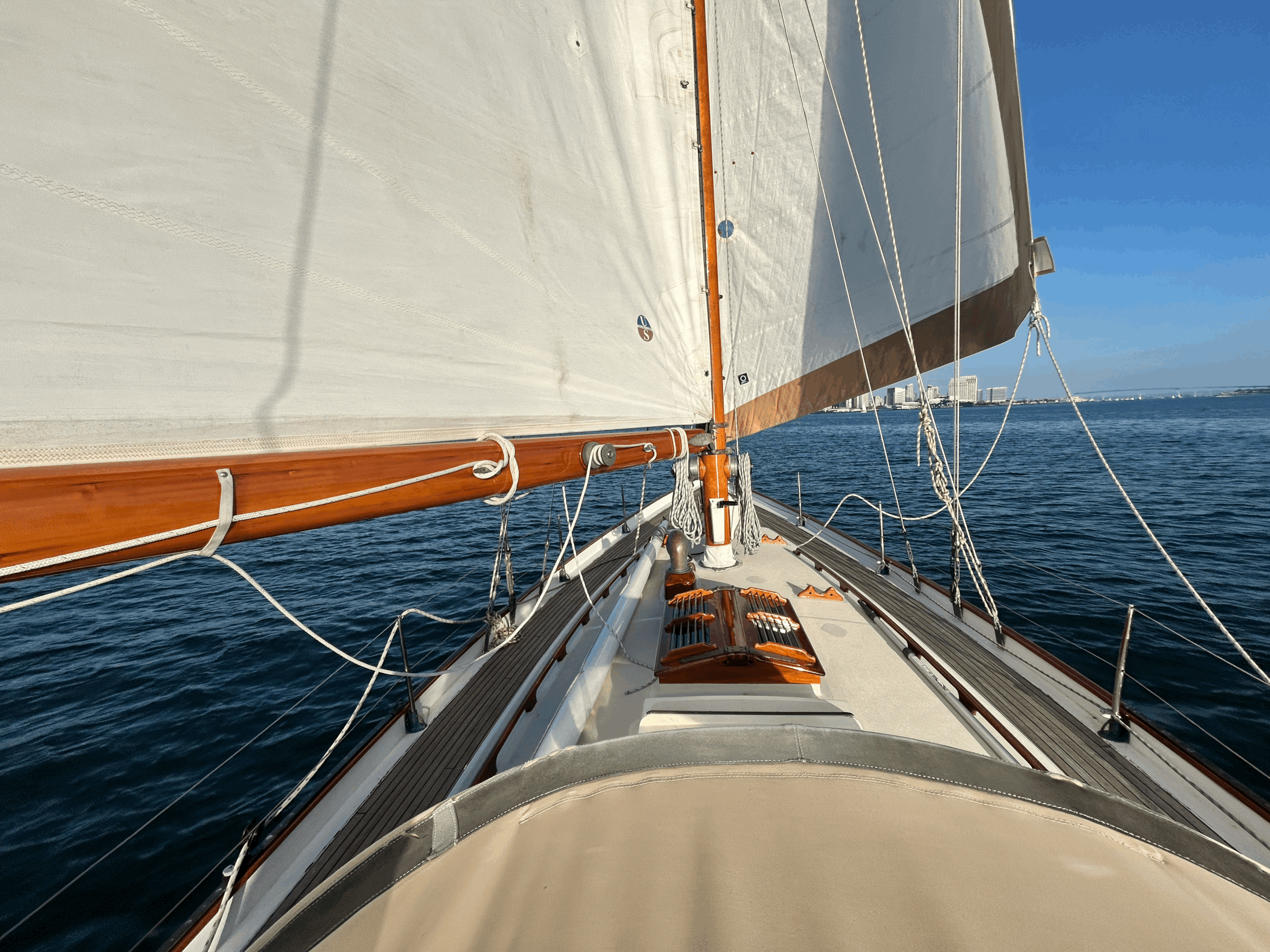
Spring vs Fall
Seasonal Reality: Spring and Fall Behave Differently
Spring Repositioning
Cold water, fog, and early-season maintenance surprises
Conservative assumptions on daylight, dock services, and yard availability
Emphasis on reliability checks and spares before departure
Fall Repositioning
Faster-moving fronts, tighter weather windows, earlier nights
More frequent “wait and go” rhythm when forecasts shift
Emphasis on schedule clarity and alternate stop planning
The schedule is built to protect the boat and the plan. A steady pace usually arrives earlier than a rushed one after delays.
Route Planning Details
Routing Built Around Constraints, Not Optimism
Factors We Plan Around
Weather windows: exposure, sea state, forecast confidence
Daylight: docking and inlet timing suited to the season
Service access: fuel docks, mechanics, parts availability
Vessel parameters: range, speed profile, draft/air draft
Traffic and choke points: bridges, locks, restricted areas
What You Receive
Primary route + alternates with stated assumptions
Daily leg plan: run hours, expected ETAs, fueling plan
“Decision points” flagged: where forecasts typically change the plan
Clear notes on high-risk areas: inlets, open-water legs, heavy traffic
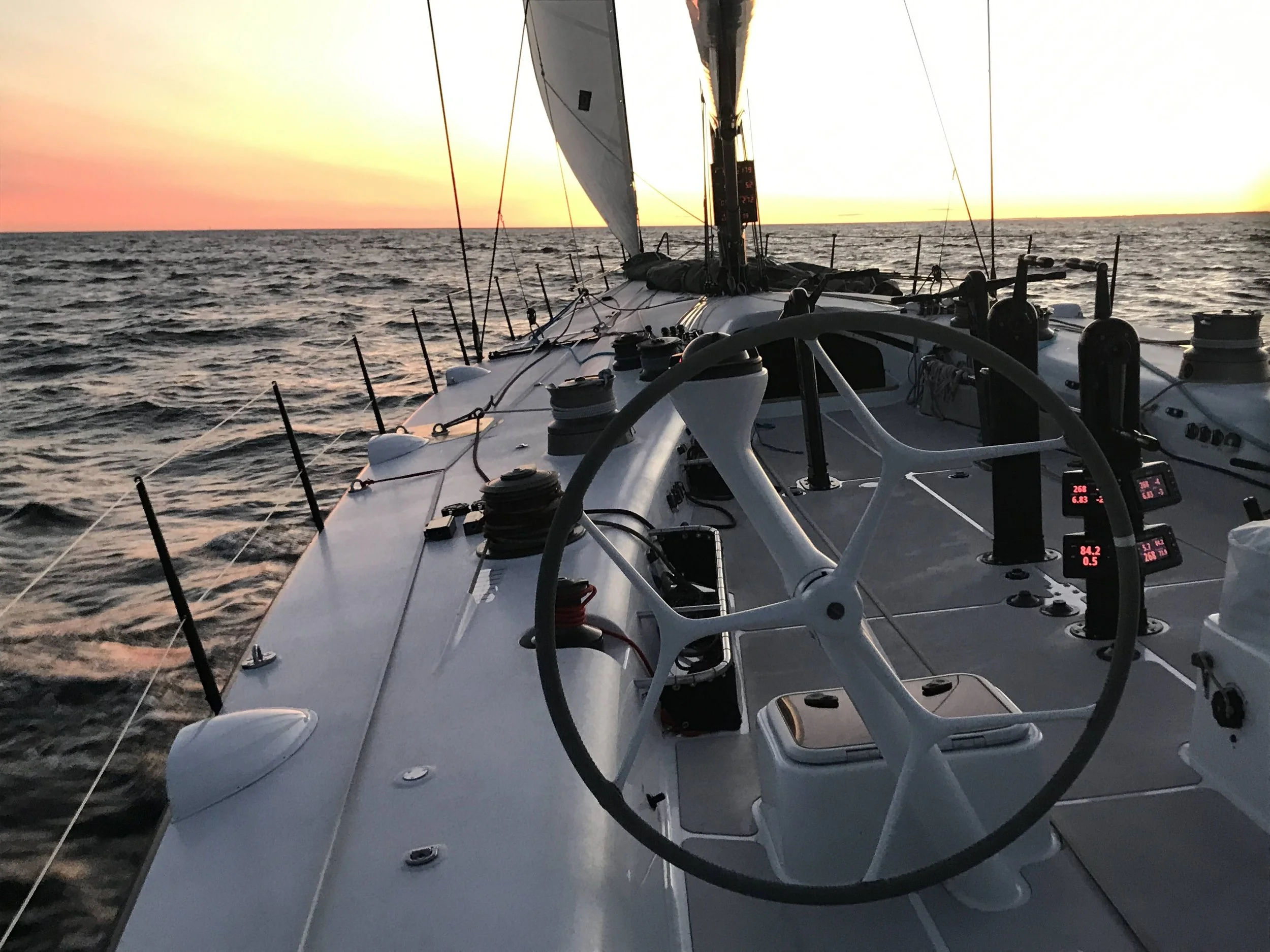
Readiness Checks:
Pre-Departure Checks

Systems:
Engines + cooling (hoses, clamps, belt condition)
Steering and controls
Batteries/charging and key electronics
Bilge pumps and alarms
Generator and critical auxiliaries (as fitted)
Operations
Navigation and comms redundancy
Docking gear: lines, fenders, chafe gear
Safety gear appropriate to season and water temp
Spares and consumables: filters, oil, impellers, bulbs, clamps
If something looks marginal, the plan calls it out plainly. That is usually cheaper than finding it mid-run.
Daily Updates and Logs
Daily Updates That Reduce Owner Stress
What’s Included Each Day
Departure/arrival times, miles run, engine hours
Fuel added and consumption range (as applicable)
Conditions: wind, sea state, visibility, temperatures
Issues observed: leaks, temps, vibrations, alarms, wear
Plan for next day: departure target and constraints (weather/daylight/services)
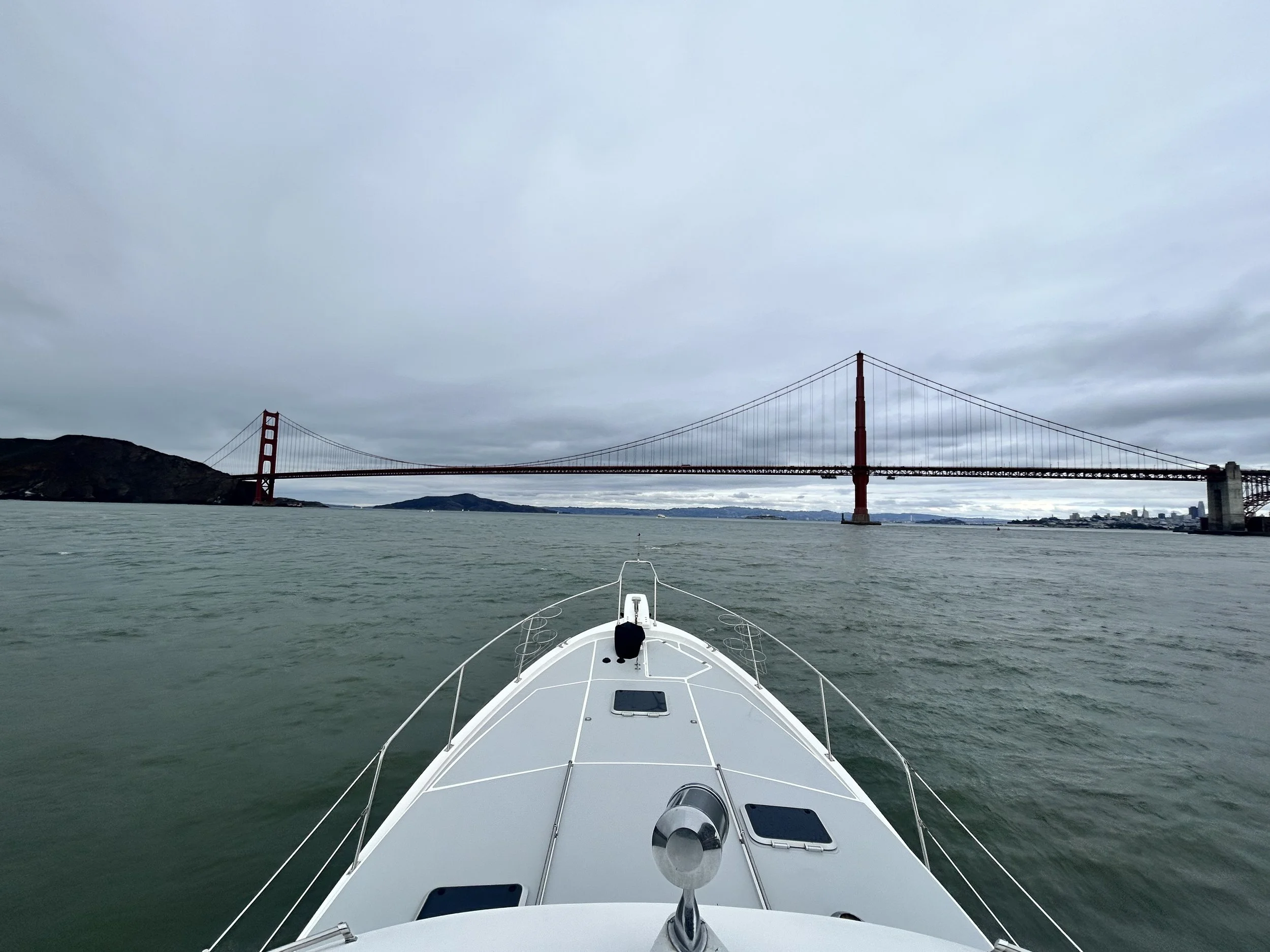
Delay Management
Ready to get underway?
Let’s get started on planning your Sailboat Delivery. Review the details of our pricing, fill out the quote request form or reach out and contact us today!