Powerboat Delivery.
Professional point-to-point delivery of motor yachts with route planning built around fuel range, bridge/lock restrictions, and vessel parameters. Pre-departure checks, daily logs, voyage tracking, and clear handoff notes keep the owner informed and ensure a smooth and predictable delivery.
Our Approach
Route planning: fuel range + weather + vessel constraints
Pre-departure checks: systems + safety
Daily logs: miles, fuel, systems, notes
Tracking + updates: position + ETA
Handoff notes: clear next steps

What This Service Covers:
Planning
Route options with practical tradeoffs
Fuel Stops and realistic run legs
Bridge, lock, draft constraints
Execution
Daily plan and watch schedule
Logs: engine hours, fuel burn, issues observed
Docking plan
Visibility
Position tracking
Progress notes
Photos when useful
Final handoff summary
How a Delivery Actually Runs
Intake and Constraints:
Vessel specs: fuel capacity, cruise speed, draft, air draft, known issues
Route constraints: bridges, locks, restricted zones, seasonal considerations
Realistic daily run lengths based on daylight, traffic, and refuel time
Pre-Departure Checks
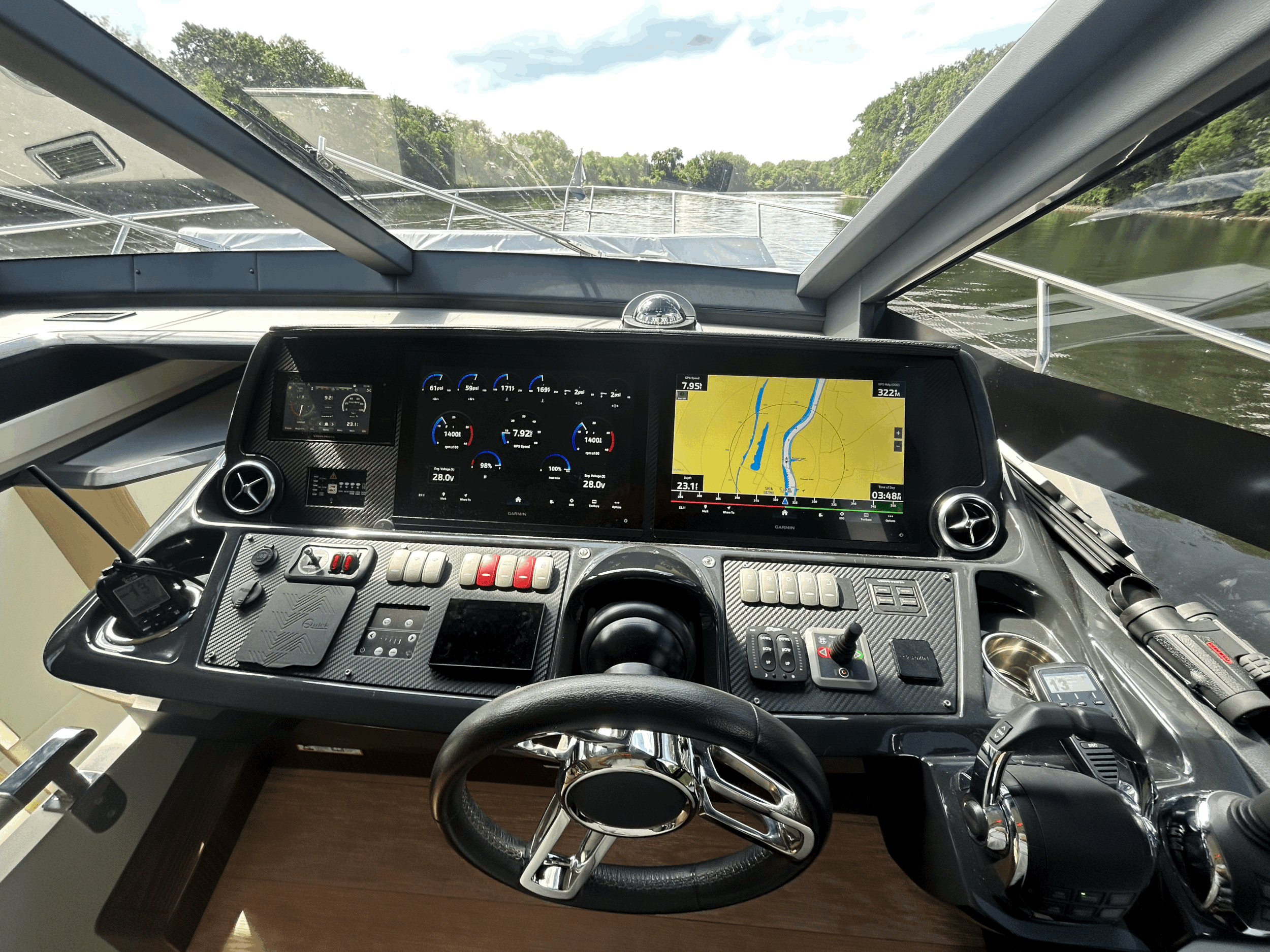
Engines, cooling, belts/hoses, fluids, steering, bilge systems
Nav/comm checks: AIS, VHF, GPS redundancy
Safety gear review and spares plan
Underway Execution
Planned legs matched to fuel range and service access
Docking and line handling planned for the crew onboard
Adjustments logged with reasons (weather, traffic, mechanical observations)
Arrival + Handoff Notes
Docking, shutdown, basic post-run checks
Written handoff notes: what was observed, what was serviced, what is next
Final expense log and receipts
Route Planning Details
Factors We Plan Around
Fuel range: conservative legs with reserve margin
Bridge/lock limits: air draft, schedules, closures
Vessel parameters: draft, prop vulnerability, stabilizers, thrusters
Service access: fuel docks, mechanic availability, parts lead time
Weather windows: sea state, fronts, inlet conditions
What You Receive
Primary route + alternate options
Planned fuel stops and estimated consumption ranges
Noted choke points (bridges, shoals, lock timing)
Expected daily run hours and target ETAs
Pre-departure Inspection
Systems
Engines + cooling
Electrical and batteries
Steering + controls
Bilge pumps and alarms
Generator (if fitted)
Operations
Dock lines, fenders, spares
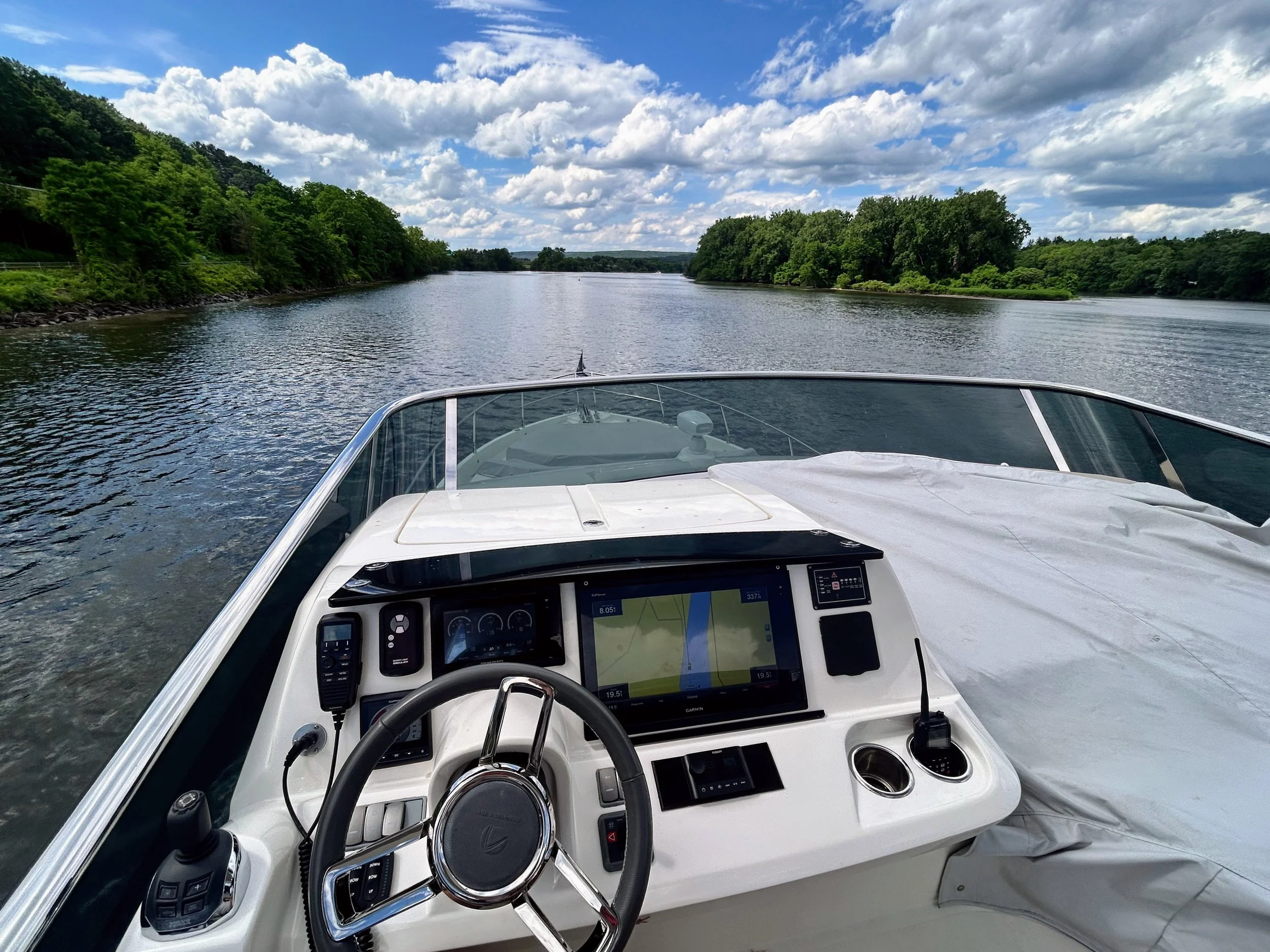
Navigation electronics + backups
Safety equipment presence and condition
Paperwork: registration, insurance, marina access notes